
Beyond Hot Flashes: What I Learned Speaking at The Pause Project Utah
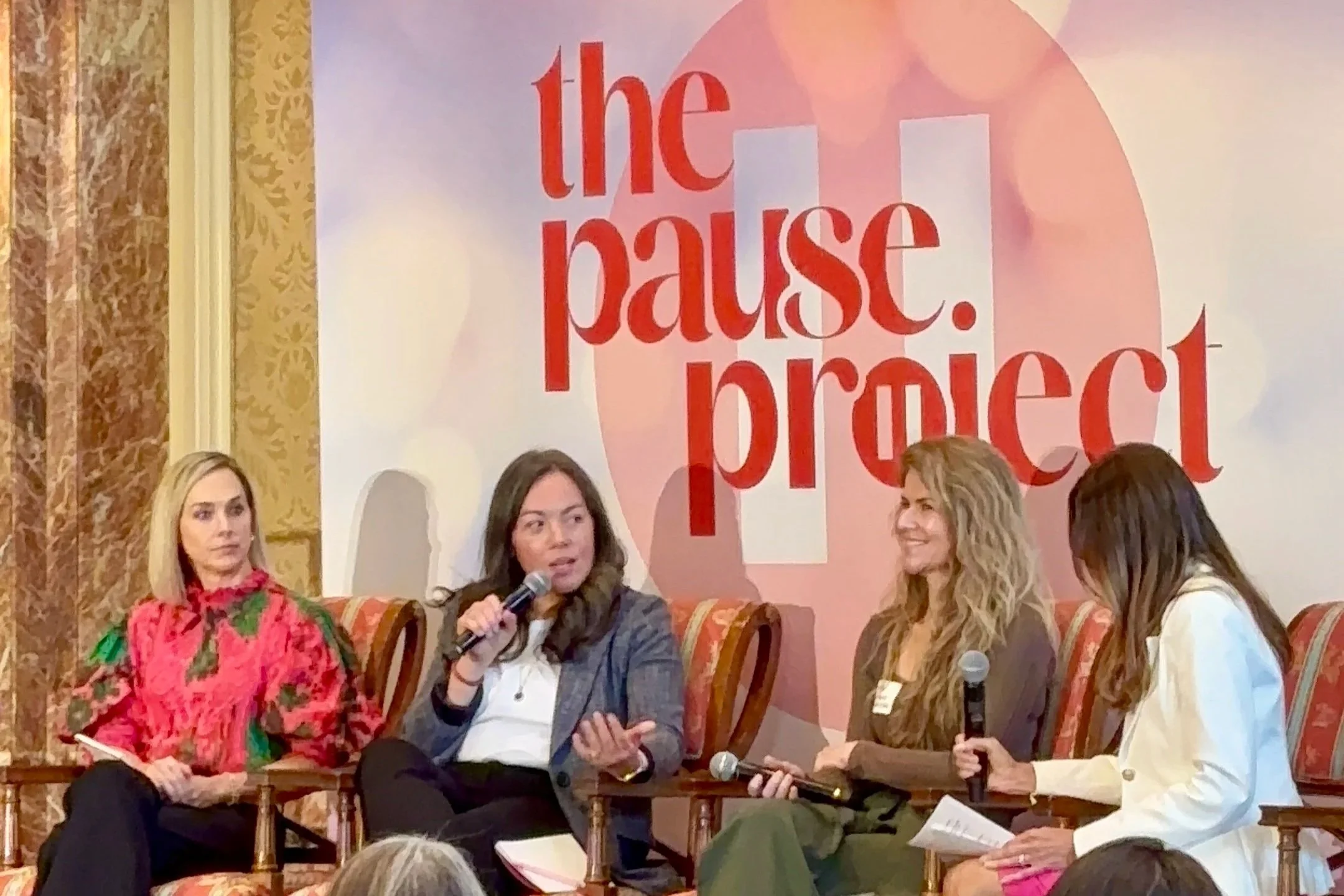
Reflections on hormone therapy, women's health, and the conversations we need to keep having.
This past weekend, I had the pleasure of participating in The Pause Project Utah, an event dedicated to changing the conversation around perimenopause, menopause, and women's health.
I was invited to speak on two panels discussing hormone replacement therapy (HRT), natural approaches to menopause, and the many factors that influence how women feel during this stage of life.
And what an experience it was!
The room was full of women who were curious, engaged, and eager to better understand their health. I loved hearing their questions, sharing my perspective as a naturopathic physician, and connecting with other professionals who are passionate about improving menopause care.
But what stayed with me most wasn't what happened on stage. It was the conversations I had with women throughout the day.
"I'm on Hormones, but I Still Don't Feel Like Myself."
This was one of the most common concerns I heard.
Many women had already started hormone replacement therapy but were still experiencing symptoms like fatigue, brain fog, poor sleep, or changes in their weight and metabolism.
They wanted to know: Is this normal? Shouldn't I be feeling better?
Hormone therapy can be incredibly effective, particularly for hot flashes and night sweats. But it's important to recognize that not every symptom experienced during midlife is necessarily caused by hormonal changes.
Sometimes a hormone therapy regimen needs to be reassessed. Other times, there may be additional contributing factors worth investigating, such as thyroid dysfunction, iron deficiency, sleep disorders, or metabolic changes.
And sometimes it's a combination.
This is why I believe so strongly in comprehensive, individualized care.
Hormones matter. But they're rarely the entire story.
Women Want to Talk About Testosterone
Another topic that generated a lot of interest was testosterone.
Women are increasingly hearing about testosterone therapy and wondering whether it might help with low libido, fatigue, brain fog, or changes in body composition.
I'm glad these conversations are happening, but I also think it's important that we approach them thoughtfully.
Women naturally produce testosterone, and it plays a role in their health. Even though the strongest evidence supporting testosterone therapy is for postmenopausal women with hypoactive sexual desire disorder (HSDD) - I see women benefit from testosterone in other areas. I commonly see fatigue, motivation/outlook and muscle mass benefit from testosterone replacement in women.
Like any hormone therapy, testosterone treatment requires an individualized discussion of potential benefits, risks, and appropriate monitoring.
My hope is that as interest grows, the conversation becomes more nuanced—not simply about whether testosterone levels are low, but about understanding symptoms and identifying appropriate treatment options.
Women Are Looking for More Comprehensive Care
Perhaps the most meaningful conversations I had were with women who felt they weren't getting the answers or support they needed from their current healthcare experiences.
Many had seen multiple providers, undergone testing, or tried different treatments, yet still felt that something was missing.
Several asked whether my practice accepts insurance. I understand why this matters. Healthcare is expensive, and women should have access to quality menopause care without unnecessary financial barriers.
Although my practice is fee-for-service, these conversations reinforced something I've believed for a long time:
Women deserve time to ask questions, understand their options, and participate meaningfully in decisions about their health.
That doesn't always mean ordering more tests or prescribing more treatments.
Sometimes it means taking a thorough history, revisiting a diagnosis, reviewing existing medications, and looking at how different aspects of health may be contributing to symptoms.
There is tremendous value in simply taking the time to connect the dots.
Why Events Like The Pause Project Matter
One of the things I appreciated most about The Pause Project was the sense of community.
Women were openly discussing experiences that, for generations, were often minimized or simply not talked about.
They were asking thoughtful questions about hormone therapy, sexual health, aging, nutrition, and what it means to feel well during midlife.
And they were learning from one another.
As a naturopathic physician who focuses much of my practice on women's hormone health, I find this incredibly encouraging.
Perimenopause and menopause are normal biological transitions, but that doesn't mean women should have to navigate disruptive symptoms without information or support.
We need more accessible education, more thoughtful conversations about treatment options, and more opportunities for women to feel heard.
Continuing the Conversation
I'm grateful to the organizers of The Pause Project for inviting me to participate and for creating a space where these conversations could happen.
I'm also grateful to every woman who stopped by my table, asked a question, shared her experience, or simply came to learn something new.
You reminded me why I love this work.
And while the event may be over, the conversation certainly isn't.
If you're navigating perimenopause or menopause and feeling unsure about your symptoms, treatment options, or next steps, I encourage you to keep asking questions and seeking the care you deserve.
For women who would like a more comprehensive evaluation, I offer a Comprehensive Strategy Session that includes a 90-minute visit, appropriate standard laboratory testing, and an individualized roadmap for moving forward.
Learn More About the Comprehensive Strategy Session
Here's to continuing the conversation—and helping more women feel informed, empowered, and supported through midlife and beyond.
Dr. Katie Brussard, ND, FABNE